
Table of Contents
- Key Highlights:
- Introduction
- The Allure of Shaggy Breeds
- Old English Sheepdog: The Classic Mop
- Bearded Collie: Energetic and Stylish
- Komondor: The Living Mop
- Briard: The Elegant Fluff
- Afghan Hound: The Regal Dignitary
- Polish Lowland Sheepdog: The Shag with Swagger
- Lhasa Apso: Small but Mighty
- Tibetan Terrier: Not Your Average Terrier
- Bouvier des Flandres: The Fluffy Tank
- Puli: The Eccentric Mop
- Skye Terrier: The Flowing Hair Wonder
- Soft Coated Wheaten Terrier: The Cheerful Companion
- Portuguese Water Dog: The Aquatic Companion
- The Fluff Stops Here
Key Highlights:
- Owning shaggy dog breeds can transform dog grooming into a time-consuming yet fulfilling routine, often demanding dedication and consistency.
- Breeds like the Old English Sheepdog and Afghan Hound exemplify both beauty and grooming complexity, requiring regular maintenance to prevent mats and tangles.
- Understanding the unique grooming needs of each breed can help owners create effective care strategies and bond better with their pets.
Introduction
For dog lovers, few sights are as endearing as a fluffy, shaggy dog bouncing through the grass or curling up on the couch. However, beneath that adorable exterior lies a complex grooming challenge. Shaggy dog breeds, known for their long, luxurious coats and playful personalities, often require extensive grooming routines that can test the limits of patience and stamina. From the tangles of a Bearded Collie to the majestic cords of a Komondor, these breeds bring both joy and a new level of responsibility. As we delve deeper into the world of shaggy canines, we’ll explore various breeds, their grooming requirements, and how to maintain their stunning coats without losing your mind (or your vacuum cleaner).
The Allure of Shaggy Breeds
Shaggy dogs offer an undeniable charm that draws in pet enthusiasts. Their playful demeanor and affectionate nature make them excellent companions, but their coats present unique challenges that owners must face. With soft, thick fur that seems to attract dirt, debris, and occasional foliage, these dogs require more than just the occasional brush; they demand a commitment to grooming as an essential aspect of ownership.
Old English Sheepdog: The Classic Mop
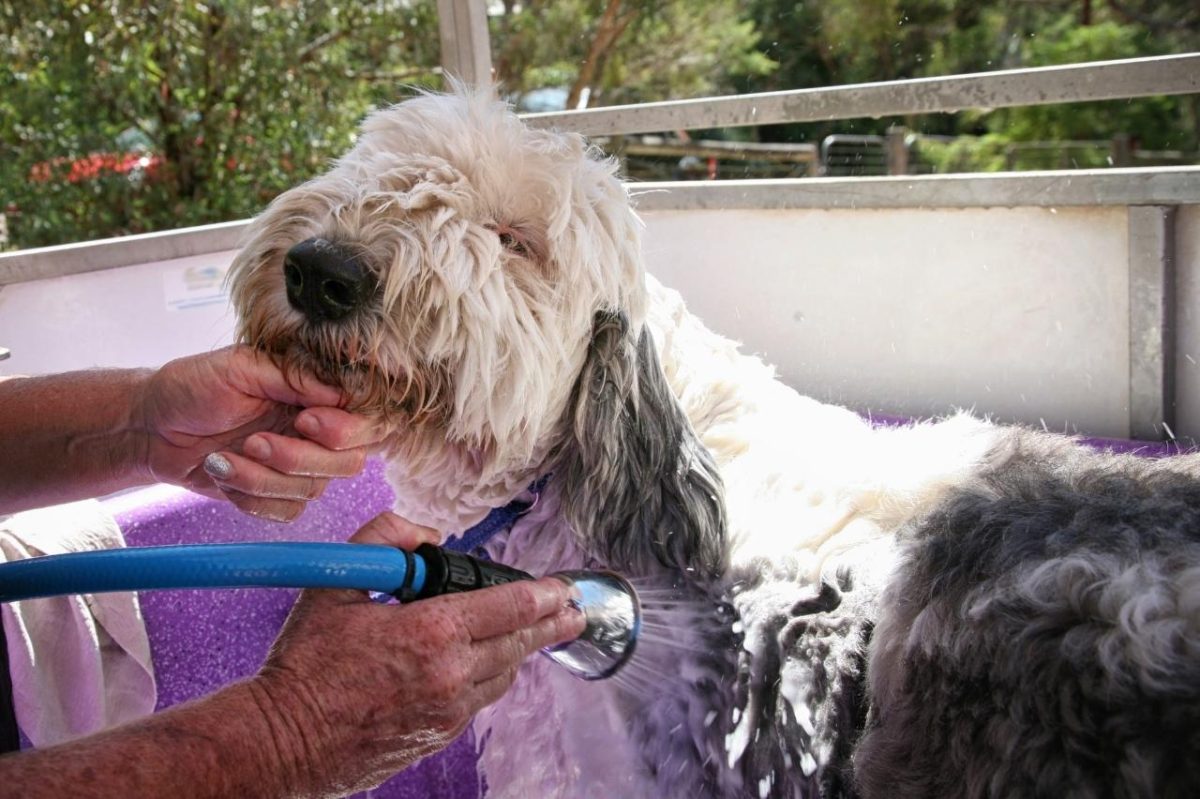 The Old English Sheepdog stands as an iconic representative of shaggy breeds. With a dense double coat that envelops them like a fluffy cloud, they are irresistibly charming and equally demanding. Grooming these dogs can become a lifestyle rather than just a chore. Due to their propensity to mat, multiple grooming sessions each week are necessary to keep their coats healthy and prevent eye obstruction caused by overgrown fur. Owners often joke that every grooming session should come with a side of cardio, as managing tangle-prone fur can be an aerobic workout.
Bearded Collie: Energetic and Stylish
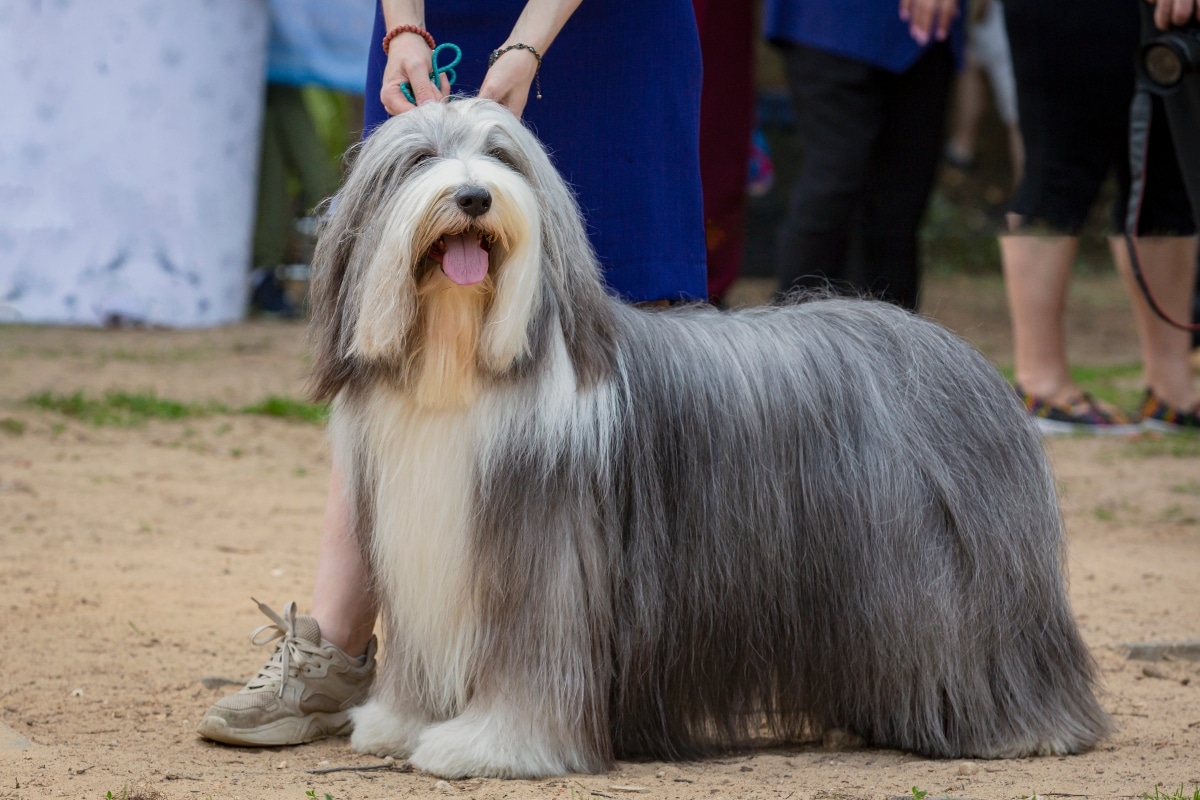 Next up is the Bearded Collie, known for its long, flowing coat that seems styled by nature itself. Despite their artistic appearance, these dogs come with a steep grooming price. Their fur can quickly tangle, especially in high-activity situations like playing in the park. Regular brushing is essential to prevent the coat from becoming a mess of “nature’s confetti”. As lovers of the outdoors, Bearded Collies enjoy both exercise and exploration, which invariably leads to a coat laden with dirt and twigs, amplifying the grooming challenge.
Komondor: The Living Mop
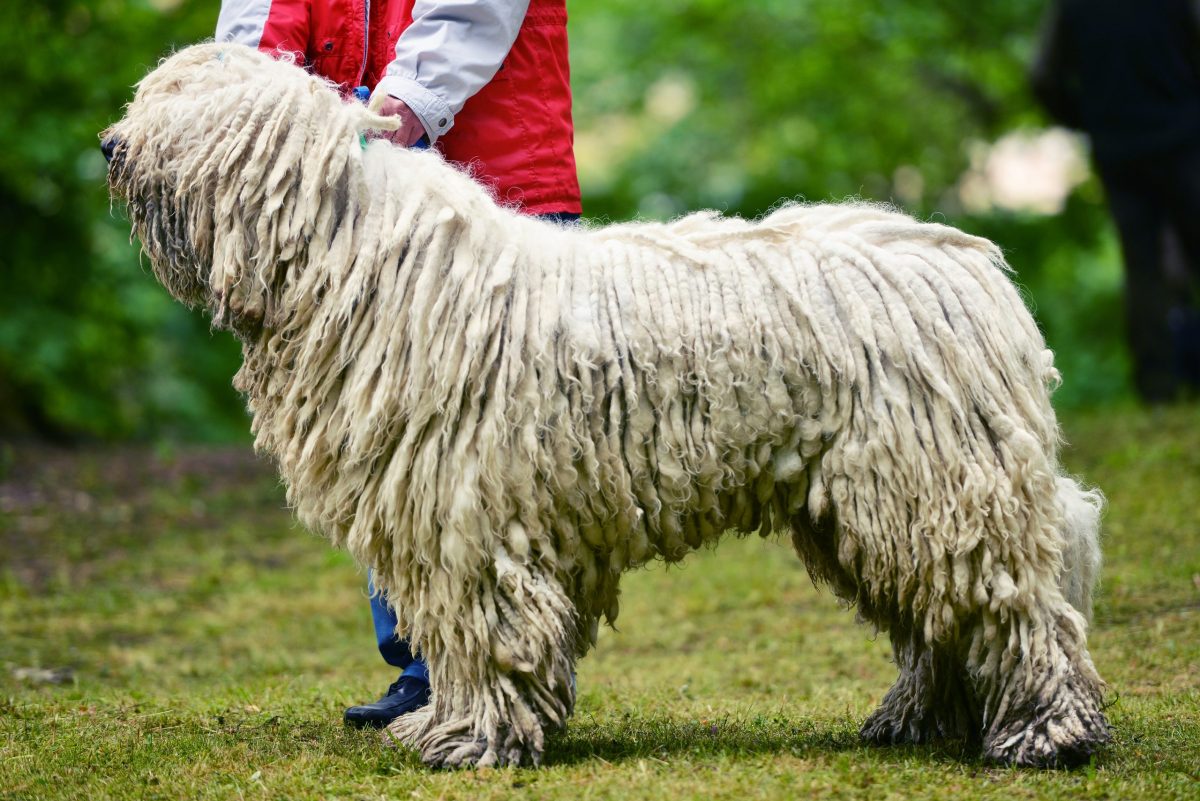 Among the fluffiest of the shaggy breeds, the Komondor is a true spectacle. With its unique, naturally corded coat, it resembles a massive mop that has come to life. While they have a strikingly majestic appearance, caring for their cords is labor-intensive. Owners must regularly separate the cords to avoid matting and mildew. Bathing a Komondor is an event that requires planning, as it involves soaking and drying what feels like a wool rug. The rewards of such devotion, however, are unparalleled loyalty and companionship from these gentle giants.
Briard: The Elegant Fluff
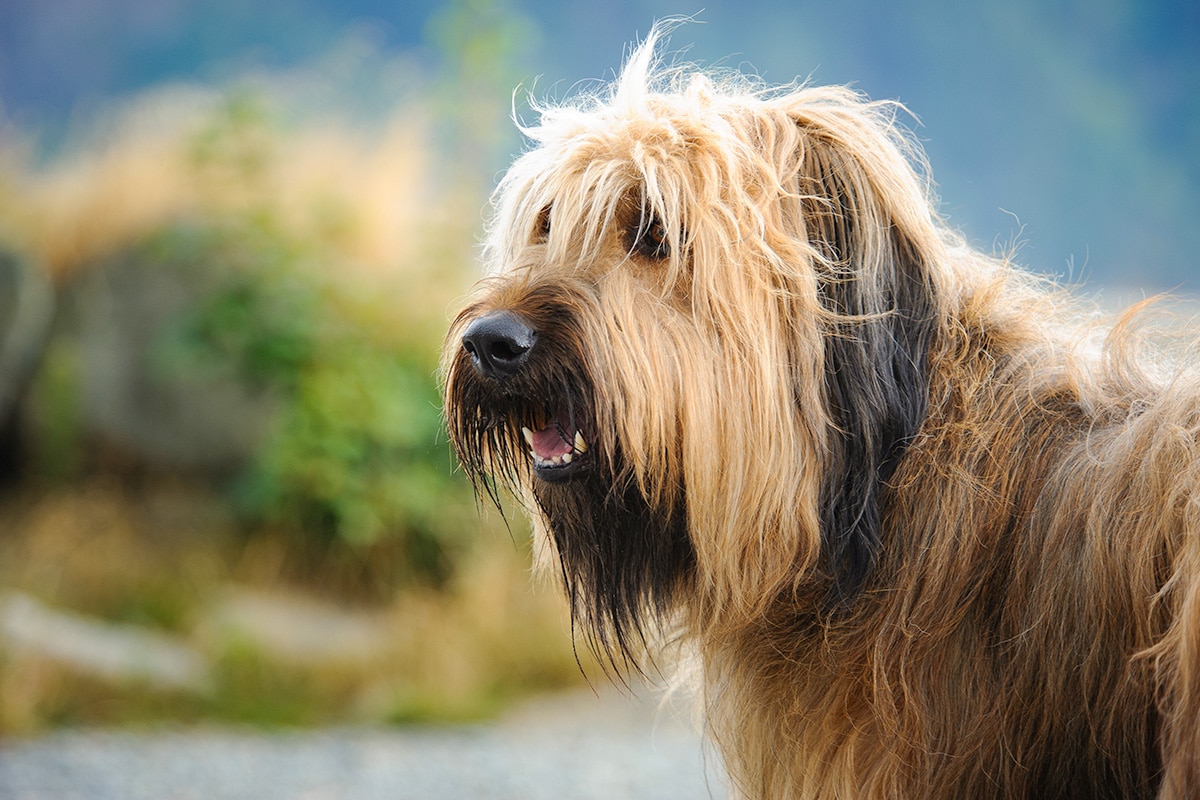 The Briard blends elegance with fluff, boasting a long hair coat that epitomizes beauty and glamour. Originally bred in France for herding, they possess an intelligence that matches their looks. Regular grooming is vital to prevent painful matting that can occur from their long coat. Owners often find themselves entangled in a delicate dance of brushing, as even a week's neglect can lead to serious tangles in their luxurious fur. Maintaining a Briard’s coat can indeed be a workout session and a worthy endeavor for dog lovers.
Afghan Hound: The Regal Dignitary
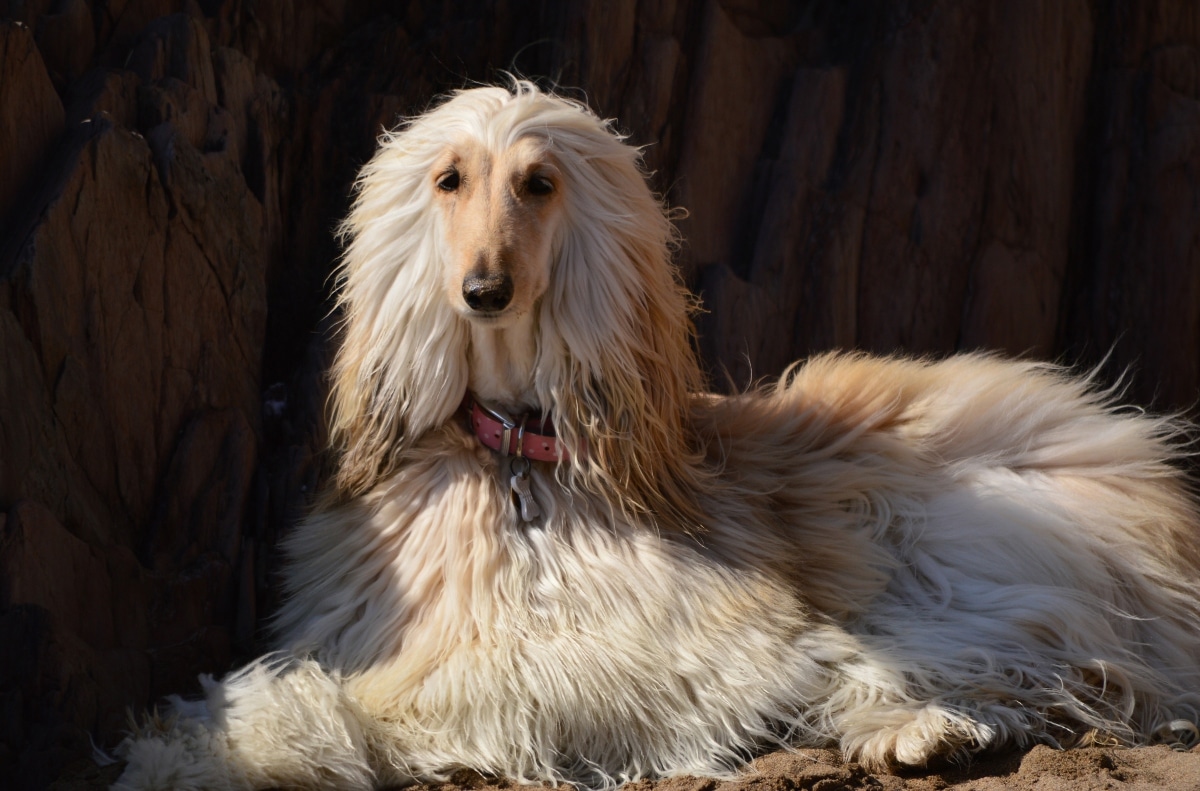 Renowned for their elegance, Afghan Hounds’ long, silky coats lend them regal charm analogous to a fashion model gracing a runway. However, keeping an Afghan Hound looking their best takes dedication. Daily brushing is essential to prevent tangles and mats, especially in areas like the legs and behind the ears. They are often the stars of dog shows, showcasing their long, majestic hair, but their grooming needs place them squarely among breeds that require commitment and patience.
Polish Lowland Sheepdog: The Shag with Swagger
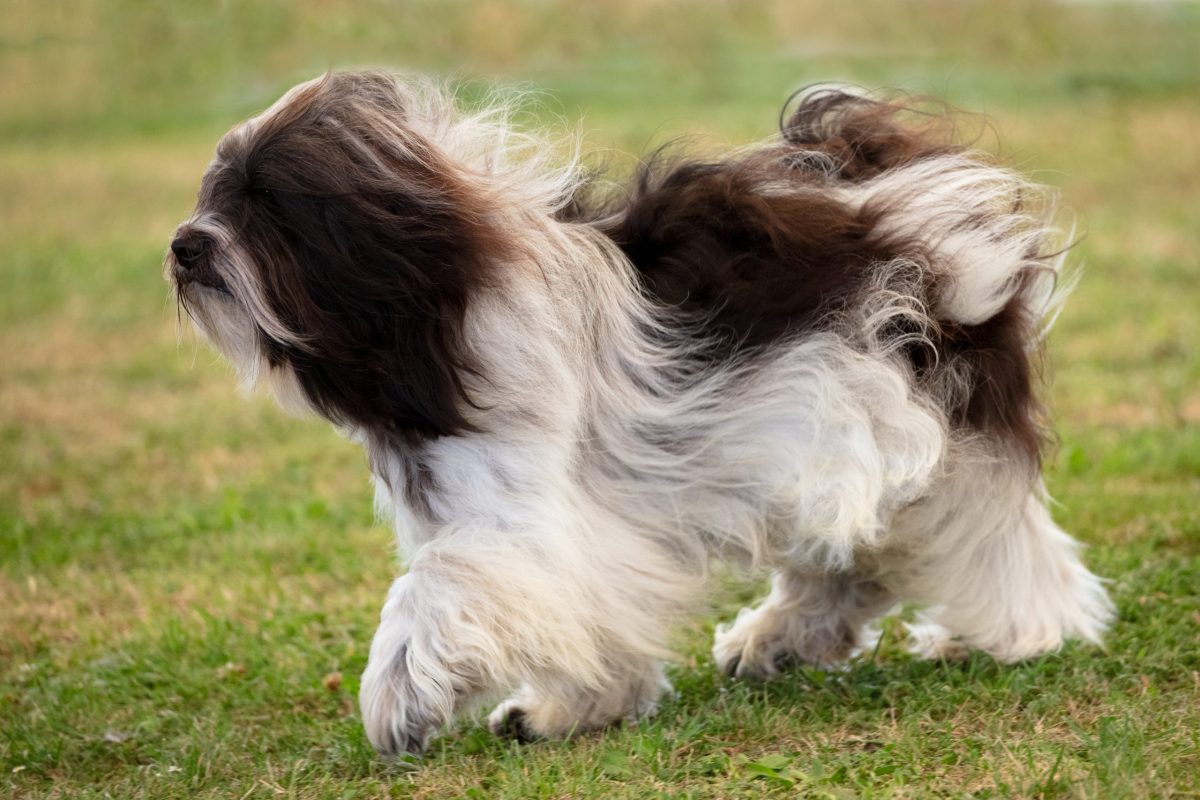 The Polish Lowland Sheepdog exudes confidence with its shaggy coat that often obscures its eyes. With a lively personality, these dogs require serious grooming dedication. Regular brushing is vital to keep their double coat in check and prevent knotted fur. Their energetic nature means that those loveable tangles can accumulate quickly after outdoor play. Owners will appreciate the affectionate spirit of the Polish Lowland Sheepdog, yet they must also embrace a diligent grooming regimen.
Lhasa Apso: Small but Mighty
 The Lhasa Apso is often underestimated due to its small stature, but it packs a powerful personality. With a long, thick coat, regular grooming is non-negotiable. Neglecting their maintenance leads to tangles reminiscent of the infamous holiday light aftermath. While owners may find themselves in a battle of wits during grooming sessions, these moments forge irreplaceable bonds with their regal companions, who are convinced of their royal lineage.
Tibetan Terrier: Not Your Average Terrier
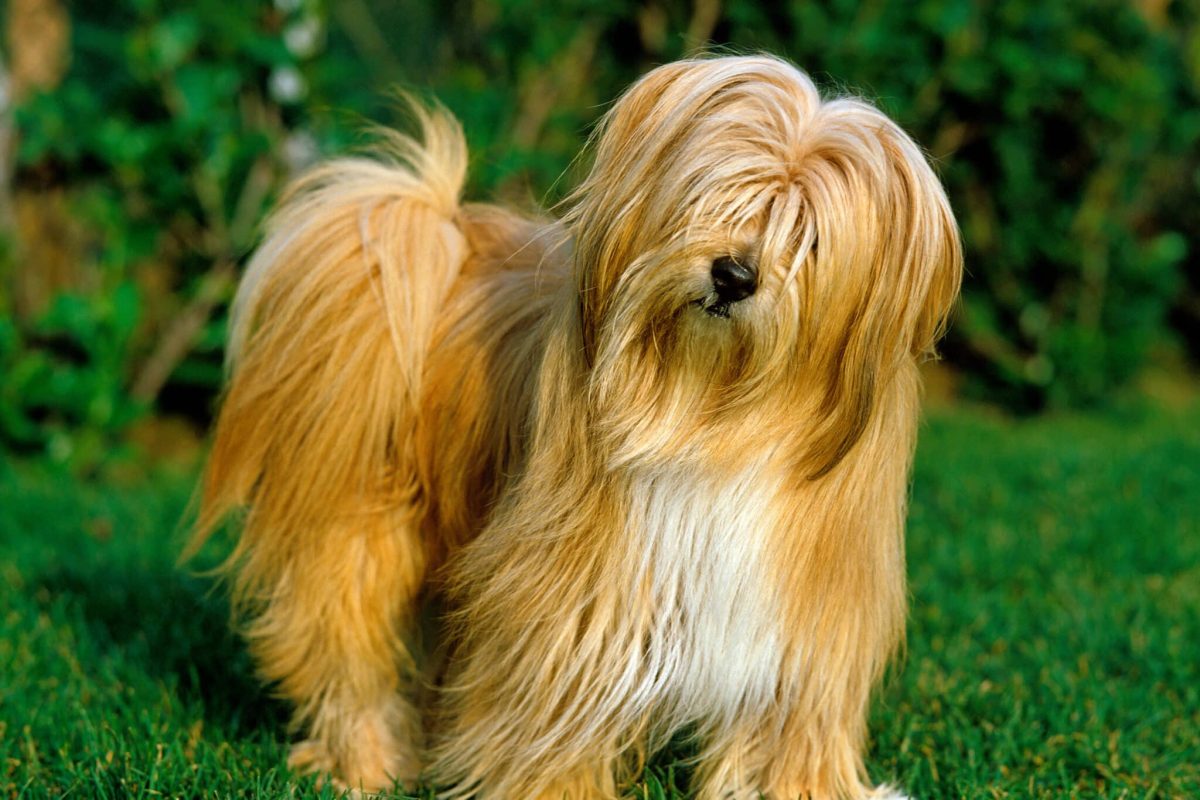 Despite its name, the Tibetan Terrier isn’t a true terrier but is lively and energetic, regularly evading grooming efforts. Their double coat grows rapidly and tangles easily, requiring frequent attention. Bred for the snowy mountains, this breed’s fur not only provides insulation but also catches every burr in its path. Keeping a Tibetan Terrier properly groomed is a full-time job, but their playful demeanor and spirited charm make the task worthwhile.
Bouvier des Flandres: The Fluffy Tank
 Known for their strength and loyalty, the Bouvier des Flandres boasts a rough, shaggy coat that can catch debris more effectively than a vacuum cleaner. Grooming these dogs is not a quick endeavor; it requires various tools and approaches to maintain their thick fur. Regular care not only keeps them looking good but also promotes healthy skin and overall well-being. For those who love active companionship, the Bouvier promises unwavering loyalty alongside their grooming challenges.
Puli: The Eccentric Mop
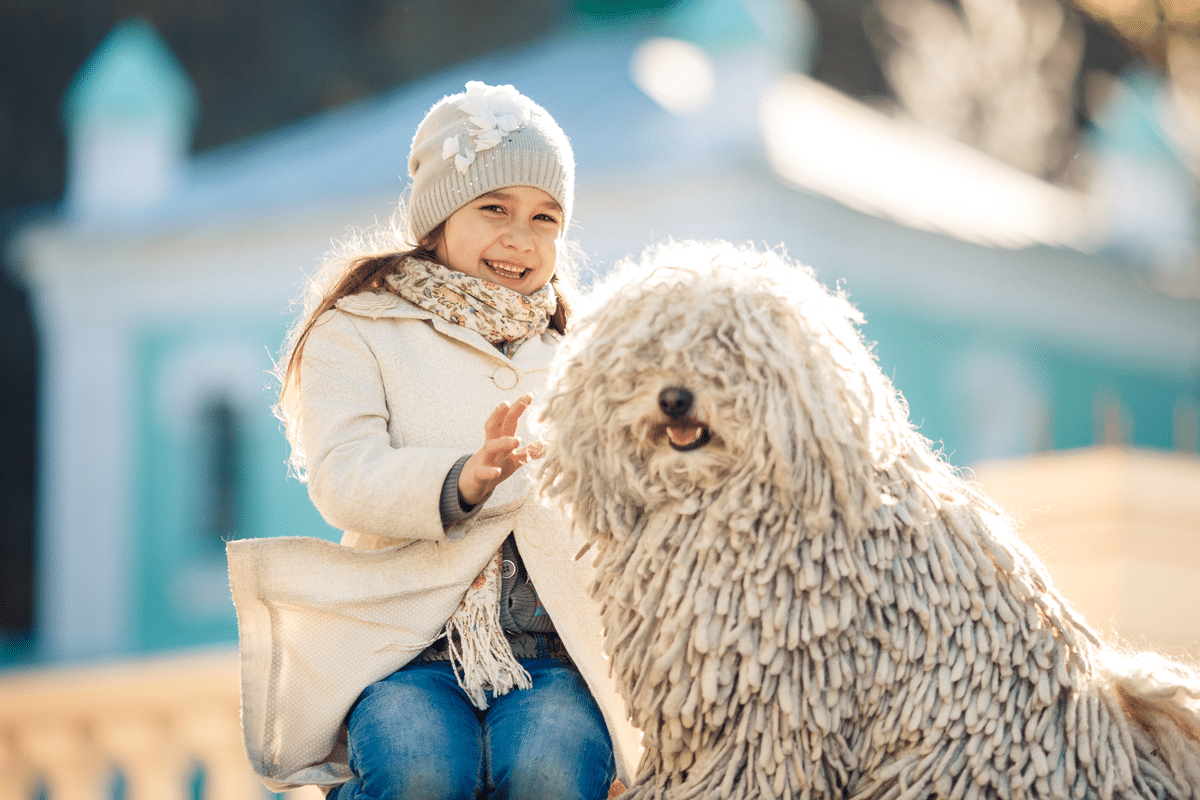 The Puli is a lively and energetic dog, easily mistaken for a cotton mop on four legs. Their naturally corded coat requires extensive care, as they do not shed like other breeds. Instead, maintaining a Puli involves hand-separating its cords, making grooming a hands-on and often laborious task. The Puli's coat collects dirt and debris like a magnet, requiring dedicated owners willing to invest time and effort to keep them clean and looking fabulous.
Skye Terrier: The Flowing Hair Wonder
 The Skye Terrier is a testament to the beauty of long, flowing coats. With their hair cascading to the ground, they present an aesthetic that requires urgent attention to grooming. Without regular brushing, their luxurious appearance can rapidly diminish into a tangled mess. This breed’s charming disposition and affectionate nature are counterbalanced by grooming demands, making a dedicated grooming schedule essential for their well-being.
Soft Coated Wheaten Terrier: The Cheerful Companion
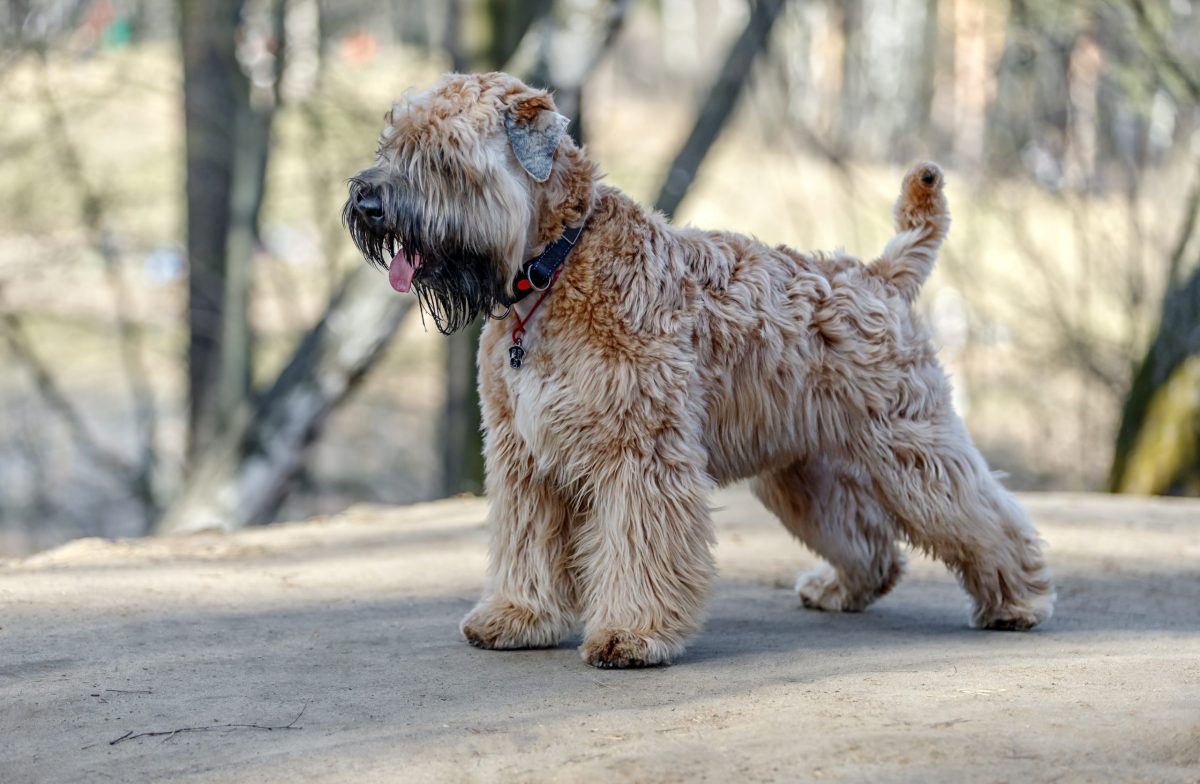 The Soft Coated Wheaten Terrier captures hearts with their joyful, playful nature. Their silky coat, however, requires consistent grooming to maintain a healthy look. This breed is prone to matting, particularly in vulnerable areas like behind the ears. Daily brushing is recommended to keep their fur looking its best, and their playful antics can turn grooming into a fun bonding activity—albeit one that necessitates a good amount of patience.
Portuguese Water Dog: The Aquatic Companion
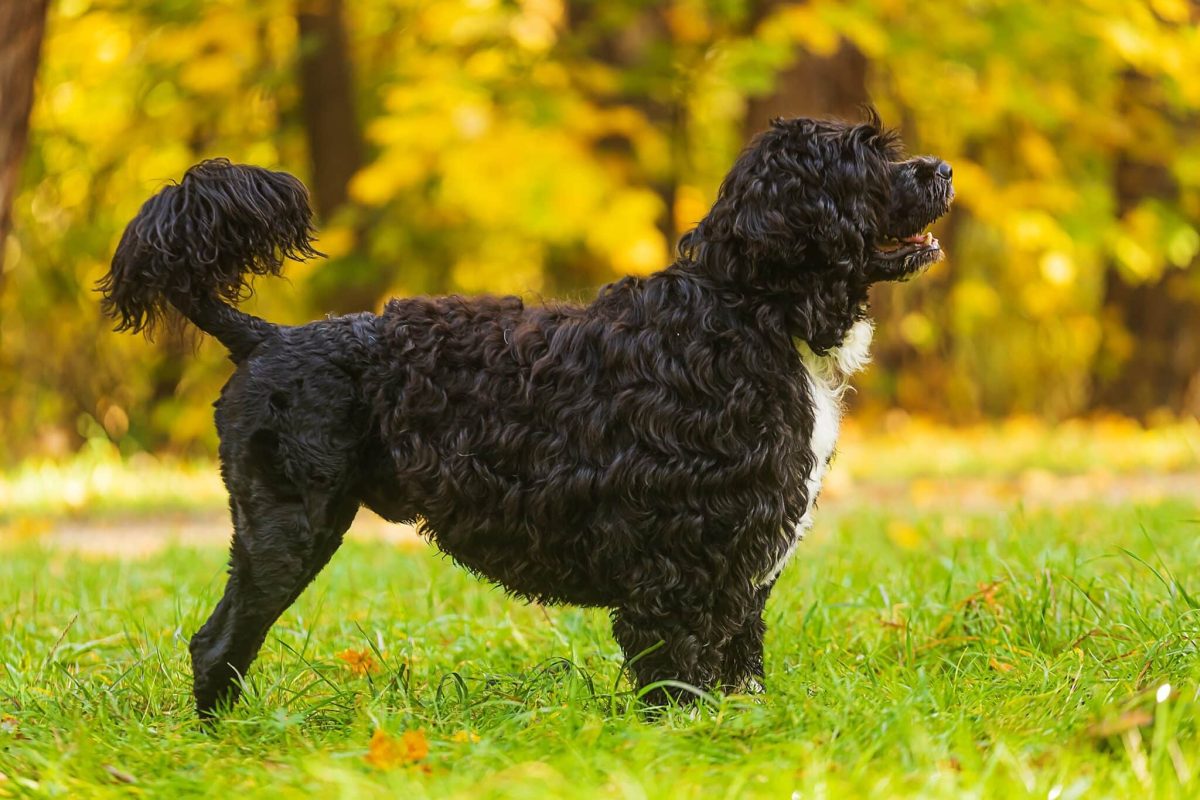 The Portuguese Water Dog is known for its energetic personality and thick, curly coat that is adept at handling water. While they thrive in aquatic settings, their grooming needs aren’t to be underestimated. Regular brushing and proper care are essential after their water adventures to prevent the curls from becoming tangled. For those who love outdoor activities and dynamic companionship, this breed offers both charm and challenges.
The Fluff Stops Here
 Caring for shaggy dog breeds transforms grooming from a simple task into a multi-faceted experience that can strengthen the human-animal bond. With dedication, consistency, and plenty of love, the challenges of grooming can lead to rewarding moments filled with joy and cuddles. For those brave enough to embrace the fluff, the result is a loyal companion whose struggles only deepen the connection between dog and owner. As exhausting as grooming can be, the reward of seeing your dog looking majestic amidst a cloud of fluff makes the effort truly worthwhile.
FAQ
What are the grooming needs of shaggy dog breeds?
Shaggy dog breeds require regular grooming to prevent mats and tangles. Most breeds benefit from daily brushing, regular baths, and occasional professional grooming.
How can I make grooming easier for my shaggy dog?
Establish a regular grooming routine early on, use quality tools specifically designed for maintaining long hair, and reward your dog during grooming sessions to create a positive experience.
Do shaggy dog breeds shed a lot?
While some shaggy breeds may not shed much, they can trap debris and dirt in their coats, making it necessary to groom them consistently to keep their fur clean and healthy.
How often should I bathe my shaggy dog?
Most shaggy dog breeds only require bathing every 4 to 8 weeks, depending on their lifestyle and grooming needs. Always ensure you use dog-specific shampoo to avoid skin irritation.
What if my shaggy dog develops mats and tangles?
If your dog develops matting despite regular grooming, consider seeking help from a professional groomer. They can detangle the fur without causing pain and may provide grooming tips tailored to your dog’s specific needs.